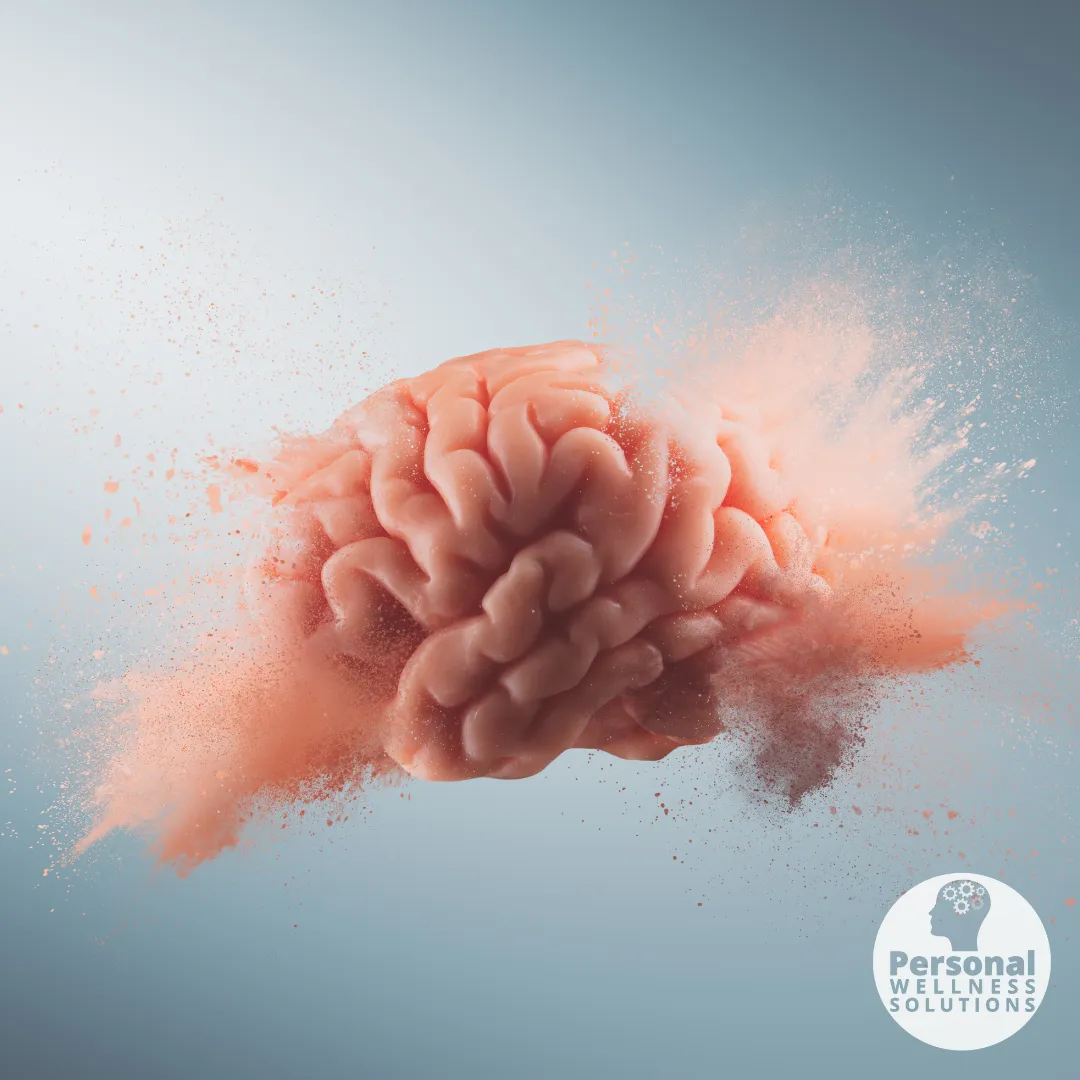
Your Brain on Autopilot
Why the Brain Automates—and How That Shapes the Way We Think (and Heal)
Your brain didn’t evolve to make you happy.
It evolved to keep you alive efficiently.
And efficiency, in the nervous system, means automation.
The Brain Is Drowning in Data
At any given moment, your brain is receiving millions of bits of sensory information—sounds, sights, internal sensations, emotions, memories, threat cues, social signals.
Here’s the problem:
The conscious brain can only process a tiny fraction of that information at once.
If your brain tried to consciously evaluate everything available to it, you would freeze. So instead, it filters, prioritizes, and predicts.
Automation is the brain’s solution to overwhelm.
It asks:
“What can I run on autopilot so I don’t have to think about it every time?”
Automation Is a Survival Strategy, Not a Personality Trait
Once the brain identifies something as familiar, it stops actively analyzing it and starts predicting it.
Walking. Driving. Reading facial expressions. Interpreting tone. Reacting emotionally.
All of these become automated because your brain literally cannot afford to manually process them every time.
That includes:
Emotional responses
Beliefs about people and situations
Stories about who you are and what to expect
Efficiency beats accuracy when survival is on the line.
Automation Runs Below Conscious Awareness
Once automated, these pathways run fast and quietly.
That’s why:
You react before you can explain why
Old fears show up in new situations
Your body responds before your thoughts catch up
Your nervous system isn’t checking facts it’s conserving energy.
It asks:
“Did this keep me safe before?”
Not:
“Is this still true?”
We Inherit Nervous Systems, Not Just Genetics
This is where it gets even more interesting—and validating.
Research in neuroscience and epigenetics shows that stress responses and survival adaptations can be passed down through generations.
Trauma, chronic stress, famine, violence, displacement—these experiences can change how genes are expressed and how nervous systems calibrate to threat.
Meaning:
You may carry vigilance, anxiety, or shutdown responses that didn’t originate with you
Your brain may be automating threat detection because it was wired for danger long before you arrived
That wiring is not broken.
It’s protective.
Why Insight Alone Doesn’t Change Automatic Patterns
People often say:
“I understand where this comes from so why does it keep happening?”
Because awareness does not automatically override automation.
Automated systems exist precisely because the brain cannot slow down to re-evaluate every moment.
Those pathways are fast because they’ve been used repeatedly. New pathways feel slow, clunky, and uncomfortable because they demand conscious processing, something the brain resists unless it feels safe enough to do so.
Neuroplasticity: Automation Can Be Updated
Here’s the relief:
Inherited nervous system patterns are not permanent.
The brain remains plastic throughout life. It updates not through logic, but through new experiences.
Every time you:
Pause instead of react
Stay present when your body expects danger
Feel safety while doing something that once felt threatening
Regulate instead of override
You give your brain new data.
And enough new data eventually forces a rewrite.
Regulation Creates New Default Settings
You don’t change automation by pushing harder or thinking better.
You change it by changing the signal your nervous system receives.
This is why somatic work, therapy, breathwork, safe relationships, and mindful awareness matter:
They reduce incoming threat signals so the brain can afford to process instead of predict.
When safety increases, automation loosens.
When safety repeats, automation updates.
You Are Not Failing You Are Efficient
If your reactions feel automatic, repetitive, or hard to interrupt, that doesn’t mean you’re broken or weak.
It means your brain is doing exactly what it was designed to do under constraint:
Filter overwhelming data
Predict outcomes
Conserve energy
Healing is not about deleting these systems.
It’s about teaching them that they no longer have to work so hard.
Your nervous system learned to survive in a world with limited safety.
Now, through awareness, regulation, and repetition, it can learn to live differently.


