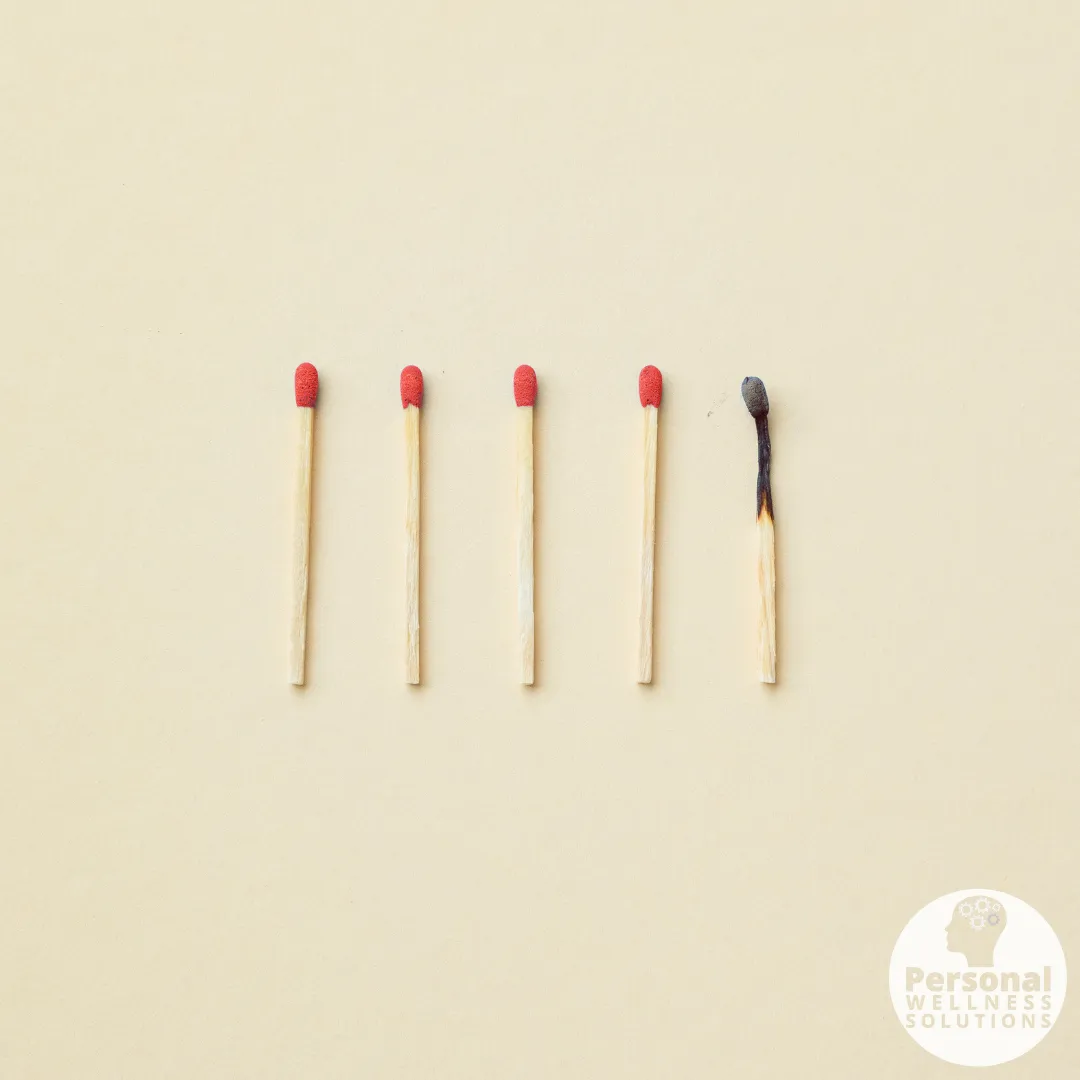
Burnout Is a Signal, Not a Failure
Burnout Is Not a Personal Failure
It’s a Nervous System Signal
Burnout isn’t laziness.
It isn’t weakness.
And it’s not a lack of commitment.
Burnout is what happens when a nervous system runs on high alert for too long without meaningful recovery.
It is biology meeting chronic stress.
Why Burnout Happens
Burnout develops when three things collide:
High responsibility
Low control
Long-term stress without recovery
This could be:
Caring for children or aging parents
Working in mental health, healthcare, education, or leadership
Being in a toxic workplace
Navigating political or social instability
Staying constantly plugged into news and crisis
Holding together your family while privately unraveling
If you care deeply, you are especially vulnerable.
Caring costs energy.
What Burnout Actually Looks Like
Burnout is not just “being tired.”
It can look like:
Emotional numbness
Irritability you don’t recognize in yourself
Brain fog
Decision fatigue
Cynicism
Avoidance
Fantasizing about quitting everything
Feeling like nothing you do makes a difference
At its core, burnout is a dysregulated nervous system oscillating between:
Hyperarousal (anxiety, urgency, panic)
Hypoarousal (shutdown, exhaustion, detachment)
Your body is trying to protect you.
Burnout Is Not a Lack of Commitment
Many high-performing, compassionate people interpret burnout as:
“I must not be strong enough.”
“I used to handle more than this.”
“I should be doing better.”
But burnout doesn’t mean you stopped caring.
It means you’ve been caring without enough repair.
Sustainability is not selfish.
It’s strategic.
When Burnout Turns Into Something Deeper
If burnout isn’t addressed, it can begin to resemble trauma.
When stress is chronic and unpredictable, the nervous system starts scanning constantly for threat. Even neutral situations feel overwhelming.
You may notice:
Heightened startle response
Difficulty relaxing
Emotional reactivity
Loss of joy in things you used to love
That isn’t weakness.
That’s your nervous system saying:
“We have exceeded our bandwidth.”
What To Do When You Feel Overwhelmed
Before you quit everything, try this:
1. Pause Before You Make Big Decisions
Burnout distorts perception.
Reduce exposure before reducing your values.
2. Name What Actually Feels Unbearable
Is it the workload?
The lack of recognition?
The unpredictability?
The constant exposure to negativity?
Clarity reduces helplessness.
3. Separate Urgency From Importance
Everything feels urgent when you're dysregulated.
Not everything actually is.
4. Regulate Before You React
The body first.
Breathwork
Cold water on the face
Clench and release tension
Slow rhythmic movement
A weighted blanket or deep pressure
A 5-4-3-2-1 sensory reset
Regulation increases clarity.
Stop Expecting Emotional Safety From Systems
Many people are grieving right now.
Grieving institutions.
Grieving workplaces.
Grieving fairness.
Grieving predictability.
Let that grief exist.
But relocate safety inward and outward:
Internal regulation
Community bonds
Relationships that feel steady and humane
Systems may not regulate you.
People can.
Micro-Rest Is Powerful
You do not need a month-long retreat to reduce burnout.
Try:
Limiting daily news or social input
Creating technology-free blocks
Moving your body
Going outside
Reconnecting with pleasure
Doing something purposeless and fun
Small daily resets matter more than occasional collapse.
Limit Input. Increase Integration.
Information without integration creates panic.
Ask:
What does this change about how I act today?
What is mine to hold?
Who am I outside of this stressor?
Move your body while you take in information.
Journal after consuming difficult content.
Create a ritual to consciously “close the tab.”
Your nervous system needs completion.
The Importance of Hope
Hope is not denial.
Hope is the belief that action still matters.
Research shows hope:
Increases resilience
Reduces feelings of helplessness
Improves problem-solving capacity
Protects against depressive states
Hope shifts the nervous system from collapse toward agency.
Hope says:
“This is hard. And I still matter.”
Train Your Brain to Track Wins
Your nervous system is wired for threat detection.
If you don’t consciously track progress, you will miss it.
Small wins count:
A boundary you held
A conversation you handled differently
A day you got outside
A difficult email you sent
A choice aligned with your values
Ask yourself:
What moved even 1% this week?
Where did I show up in alignment?
Who is doing good work I can amplify?
Tracking wins builds stamina.
Redefine “Doing Enough”
You do not have to do everything.
Impact > constant output.
Quiet consistency matters.
Rest can be strategic.
Longevity matters.
Burnout serves no one.
You are needed well — not just productive.
Final Reminder
If you’re burned out, you are not broken.
You are responding to conditions that may genuinely be overwhelming.
The goal isn’t withdrawal from life.
The goal is sustainable engagement.
You are allowed to:
Care deeply
Rest fully
Stay informed
Step back
Keep going differently
And hope — even small, stubborn hope — is not naïve.
It is protective.


